
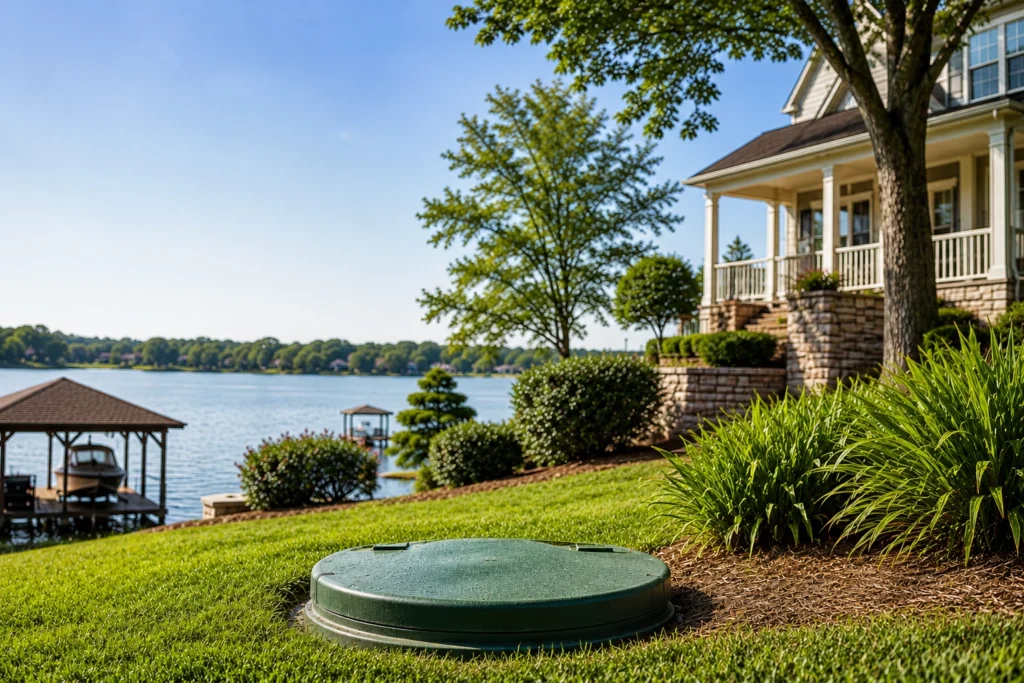
Owning a home near Lake Oconee comes with incredible benefits—from peaceful waterfront views and boating access to beautiful lakefront communities throughout Greene County and Putnam County. However, many homes around the lake rely on septic systems, which means proper maintenance is essential for protecting both your property and the surrounding environment.
Whether you live at Lake Oconee year-round or use your home as a seasonal retreat, following the right septic tips can help you avoid costly repairs, extend the life of your system, and protect local water quality. These septic tips for Lake Oconee homeowners are designed specifically for waterfront properties, vacation homes, and lake-area residents who want to keep their systems operating efficiently for years to come.
Why Septic Maintenance Is Especially Important Around Lake Oconee
Lake Oconee is one of Georgia’s most desirable waterfront destinations, attracting homeowners who value both natural beauty and property investment potential. Because many homes around the lake use private septic systems, proper maintenance plays a critical role in protecting the health of the lake and surrounding communities.
When septic systems are neglected, untreated wastewater can potentially impact groundwater, nearby streams, and ultimately Lake Oconee itself. This is particularly important in areas throughout Greene County and Putnam County where waterfront properties may experience higher groundwater levels and sensitive environmental conditions.
Regular Lake Oconee septic maintenance helps:
- Protect water quality
- Prevent costly system failures
- Preserve property values
- Extend the lifespan of your septic system
- Reduce the risk of emergency repairs
For homeowners investing in premium lakefront real estate, preventative maintenance is one of the smartest ways to protect that investment.
Schedule Regular Septic Pumping
One of the most important aspects of septic tank maintenance Lake Oconee homeowners should prioritize is regular pumping.
Most residential septic tanks should be pumped every three to five years, although actual schedules vary depending on:
- Household size
- Tank capacity
- Water usage habits
- Presence of garbage disposals
- Frequency of occupancy
Vacation homes often create unique maintenance challenges. Many homeowners assume that because they only use the property seasonally, maintenance can be postponed indefinitely. In reality, long periods of inactivity followed by heavy weekend or holiday usage can place significant stress on a septic system.
Scheduling routine septic tank pumping helps remove accumulated solids before they cause backups, drain field issues, or expensive repairs.
If you’re unsure when your system was last serviced, consider reviewing how often you should pump a septic tank in Georgia to determine the appropriate schedule for your property.
Protect Your Drain Field
The drain field is one of the most important components of any septic system. Once wastewater leaves the septic tank, it flows into the drain field where natural filtration processes occur.
Protecting this area is essential for long-term system performance.
Avoid Parking on the Drain Field
Vehicles can compact the soil above your drain field, reducing its ability to absorb wastewater properly.
Over time, soil compaction can damage underground pipes and limit the effectiveness of the treatment process.
Avoid parking:
- Cars
- Boats
- Trailers
- Utility vehicles
on or near your drain field whenever possible.
Keep Heavy Equipment Away
Lakefront landscaping projects often involve heavy equipment, especially during renovations or shoreline improvements.
Construction vehicles, skid steers, and large landscaping machinery can damage underground septic components without any visible signs at the surface.
Before beginning any project, identify the location of your septic tank and drain field to prevent accidental damage.
Prevent Excess Water Runoff
Water management is especially important for waterfront septic system maintenance.
Too much water entering the drain field can overwhelm the soil’s ability to properly filter wastewater.
Common sources of excess runoff include:
- Roof drainage
- Improper gutter placement
- Irrigation systems
- Poor yard grading
- Stormwater flow patterns
Directing water away from your septic system can significantly improve performance and reduce long-term risks.
How Lakefront Conditions Affect Septic Systems
One of the biggest differences between standard septic systems and septic systems near Lake Oconee is the unique environmental conditions associated with waterfront properties.
Lakefront homes often face challenges that place additional stress on septic systems.
High Groundwater Levels
Properties located close to the shoreline may experience elevated groundwater levels throughout portions of the year.
When groundwater rises, the soil surrounding the drain field may become less effective at treating wastewater.
Saturated Soil Conditions
Heavy rainfall combined with naturally moist soils can create saturation problems that reduce septic efficiency.
This is especially common during Georgia’s wetter seasons when prolonged rainfall affects drainage patterns around the lake.
Shoreline Drainage Concerns
Improper drainage can direct excessive water toward septic components, increasing the likelihood of hydraulic overload.
Proper grading and runoff management are essential for maintaining system performance.
Seasonal Rainfall
Lake Oconee properties regularly experience periods of intense rainfall. These conditions can temporarily overwhelm systems that are already overdue for maintenance.
Understanding these local conditions allows homeowners to make better maintenance decisions and avoid unexpected problems.
Watch for Signs of Septic Problems
Recognizing early warning signs can prevent minor issues from becoming major repairs.
Common indicators of waterfront septic problems include:
- Slow drains
- Sewage odors around the property
- Standing water near the drain field
- Unusually lush green grass above septic components
- Gurgling pipes
- Plumbing backups
If you notice any of these symptoms, don’t ignore them.
Review the common signs your septic tank is full and schedule service promptly if you suspect your system may be reaching capacity.
Early intervention can help prevent environmental contamination, drain field failure, and expensive emergency repairs.
Be Careful What Goes Down the Drain
Your septic system relies on naturally occurring bacteria to break down waste.
Flushing inappropriate materials can disrupt this process and increase the likelihood of clogs and backups.
Avoid flushing:
- Disposable wipes
- Grease and cooking oils
- Feminine hygiene products
- Paper towels
- Harsh chemicals
- Paint products
- Excessive household cleaners
Even products labeled “flushable” can create serious septic issues over time.
Protecting the bacterial balance inside your tank helps maintain efficient operation and reduces maintenance costs.
Manage Water Usage Wisely
Water conservation is one of the simplest ways to support septic system care Georgia lakes homeowners can practice.
Excessive water usage can overload your system and reduce treatment effectiveness.
Helpful strategies include:
- Spreading laundry loads throughout the week
- Fixing leaks immediately
- Installing water-efficient fixtures
- Monitoring irrigation systems
- Avoiding excessive water use during storms
Reducing hydraulic overload protects the drain field and extends overall system lifespan.
This is particularly important for larger lakefront homes that may host guests frequently during holidays and summer weekends.
Prepare Your Septic System for Heavy Rain
Heavy rainfall is one of the most common causes of septic performance issues around Lake Oconee.
When soils become saturated, wastewater may not move through the system as efficiently.
To prepare for rainy seasons:
- Schedule preventative pumping if due
- Inspect gutters and drainage systems
- Redirect runoff away from septic components
- Avoid driving over saturated drain fields
- Monitor standing water around the property
Many homeowners are surprised to learn that heavy rain can affect your septic system in ways that increase the risk of backups and drain field problems.
Being proactive before major storms arrive can help prevent emergency service calls later.
Schedule Routine Septic Inspections
Routine inspections are one of the best investments Lake Oconee homeowners can make.
Annual inspections can identify:
- Minor leaks
- Drain field concerns
- Baffle damage
- Tank deterioration
- Potential system failures
Regular septic inspections help homeowners catch problems early before they develop into expensive repairs.
Inspections are particularly valuable for:
- Vacation homes
- Older septic systems
- Waterfront properties
- Recently purchased homes
A professional inspection provides peace of mind while helping protect both property value and environmental health.
Protecting Your Lake Oconee Property Investment
Many Lake Oconee homes represent significant real estate investments.
Luxury lakefront properties often feature:
- Custom home designs
- Extensive landscaping
- Outdoor entertainment spaces
- Vacation rental opportunities
- Premium waterfront access
A neglected septic system can quickly jeopardize these investments.
Problems such as drain field failure, sewage backups, or environmental violations can significantly impact resale value and create costly repair obligations.
Routine septic maintenance services help protect your property’s long-term value while minimizing unexpected expenses.
For homeowners planning to sell in the future, documented maintenance records can also provide reassurance to potential buyers.
Is Preventative Septic Maintenance Worth It?
Absolutely.
When comparing routine maintenance costs versus major repair expenses, preventative care almost always wins.
Routine maintenance may include:
- Pumping
- Inspections
- Minor repairs
- Drain field monitoring
Major failures may require:
- Drain field replacement
- Tank replacement
- Extensive excavation
- Environmental remediation
A proactive approach costs significantly less than waiting until a system fails.
If problems do arise, addressing them quickly with professional septic system repair services can help minimize damage and control repair costs.
For most homeowners, preventative maintenance is one of the most cost-effective investments they can make.
Lake Oconee Septic System FAQs
How often should I pump my septic tank near Lake Oconee?
Most systems should be pumped every three to five years, although household size, water usage, and tank capacity can affect the recommended schedule.
Do waterfront properties need more septic maintenance?
In many cases, yes. Waterfront properties often experience higher groundwater levels and soil saturation, which can place additional stress on septic systems.
Can heavy rain affect septic systems near the lake?
Yes. Heavy rainfall can saturate the soil surrounding the drain field and reduce treatment efficiency, increasing the risk of backups and drainage problems.
How can I protect my drain field?
Avoid parking vehicles on it, keep heavy equipment away, and manage stormwater runoff to prevent soil compaction and oversaturation.
What are signs my septic system needs service?
Slow drains, sewage odors, standing water, lush grass growth, gurgling pipes, and plumbing backups are all common warning signs.
How often should I schedule a septic inspection?
Most homeowners should schedule an inspection annually, especially if they own a waterfront or vacation property.
Can septic problems affect lake water quality?
Yes. A failing septic system can potentially contribute contaminants to groundwater and nearby waterways, making proper maintenance extremely important.
Is septic maintenance different for vacation homes?
Vacation homes often experience periods of inactivity followed by heavy use, which can create unique maintenance needs that should be monitored closely.
Should I inspect a septic system before buying a Lake Oconee home?
Absolutely. A septic inspection can uncover hidden issues and help buyers avoid unexpected repair costs after closing.
What is the best way to prevent expensive septic repairs?
Routine pumping, annual inspections, water conservation, and prompt attention to warning signs are the most effective preventative measures.
Schedule Septic Service for Your Lake Oconee Property
Protecting your Lake Oconee home starts with proactive septic care. Whether you own a full-time residence, vacation property, or waterfront investment home, regular maintenance can help you avoid costly repairs while protecting the beauty of the lake and surrounding communities.
Advance Septic Solutions is proud to provide professional septic services for homeowners throughout the Lake Oconee area, including Eatonton homeowners and Greensboro residents.
From pumping and inspections to maintenance plans and repairs, we’re here to help keep your system operating efficiently year-round.
Call today for a free estimate, schedule a septic inspection, and learn more about maintenance plan options designed to protect your property investment for years to come.