
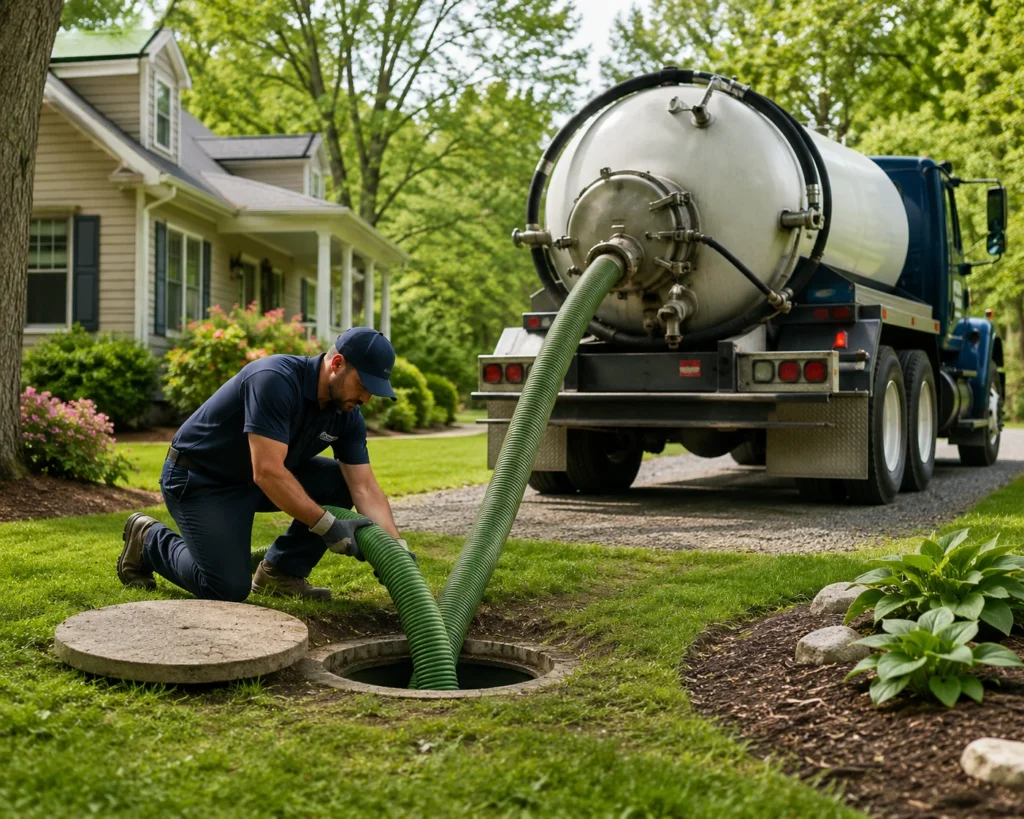
If you’re wondering how often you should pump a septic tank in Georgia, the short answer is: most homeowners should pump their septic tank every 3–5 years. However, the right septic tank pumping schedule depends on your household size, water usage, tank size, and even Georgia’s heavy rain and clay soil conditions.
For many homeowners around Rocktown, C-Town, and surrounding areas, septic problems usually show up when the system has gone too long without maintenance. Slow drains, bad smells, standing water, or backups are all signs your septic tank may need attention. Regular pumping helps prevent expensive repairs, protects your drain field, and keeps your entire system working properly.
If your septic’s acting up or it’s been years since your last service, scheduling routine Septic Pumping [Septic Pumping]can help you avoid bigger problems down the road.
Recommended Septic Tank Pumping Schedule
There isn’t a one-size-fits-all answer for how often to pump a septic tank. Every property is different, but these general guidelines work for most Georgia homeowners.
Small Households (1–2 People)
Smaller households typically use less water, which means the septic tank fills more slowly. Most homes with one or two people only need septic tank pumping every 4–5 years.
However, if you frequently use a garbage disposal, host guests often, or do multiple loads of laundry each day, you may need service sooner.
Medium Households (3–5 People)
For most Georgia families, the standard septic tank pumping frequency is every 3–5 years. This is the most common recommendation for average household water usage.
Busy family homes often put more stress on septic systems through:
- Daily showers
- Laundry loads
- Dishwasher use
- Garbage disposals
- Increased toilet usage
Staying on a regular Septic Maintenance [Septic Maintenance] plan can help catch issues early before they become expensive repairs.
Large Households (6+ People)
Larger households usually need septic pumping every 2–3 years because the system handles much more wastewater each day.
High water usage can cause sludge to build up quickly, especially during holidays or busy seasons when extra family members are visiting. If your system gets overloaded, you could end up dealing with sewage backups, drain field saturation, or costly septic repairs.
What Affects Septic Tank Pumping Frequency?
Several factors affect how often should a septic tank be cleaned.
Tank Size
Smaller septic tanks fill faster and need more frequent pumping. Larger tanks can hold more waste and generally last longer between service appointments.
If you recently purchased a home and aren’t sure about your tank size, a professional Septic Inspection [Septic Inspection] can help determine the condition and capacity of your system.
Household Water Usage
The more water your household uses, the faster your septic tank fills up.
Heavy water usage includes:
- Long showers
- Frequent laundry
- Running multiple appliances at once
- High-efficiency irrigation systems
- Garbage disposal use
Garbage disposals especially increase sludge buildup because food waste enters the septic tank directly.
Georgia Soil & Weather Conditions
Georgia weather plays a major role in septic system performance.
Heavy rain across Rockdale County, Newton County, and surrounding areas can saturate the soil around your drain field. When the ground stays wet for long periods, wastewater can’t filter properly.
Clay-heavy soil common around Conyers and Covington also drains more slowly than sandy soil. This puts extra stress on septic systems after storms or extended rainy periods.
If you notice septic issues after heavy rain, don’t wait to schedule Septic Repair [Septic Repair] before the problem gets worse.
Vacation Homes & Seasonal Properties
Lake homes and seasonal properties around Eatonton and Greensboro may have irregular septic usage patterns.
Some vacation homes sit unused for months, while others experience heavy weekend traffic during summer and holidays. These changing usage patterns can impact bacterial balance inside the tank and affect septic system performance.
Seasonal properties still need regular inspections and maintenance, even when they aren’t occupied year-round.
Signs Your Septic Tank Needs Pumping
One of the biggest mistakes homeowners make is waiting until the system backs up before calling for service.
Here are common signs your septic tank needs pumping:
- Slow drains throughout the house
- Toilets gurgling or draining slowly
- Sewage odors inside or outside
- Standing water near the drain field
- Wet or soggy spots in the yard
- Unusually green grass over the septic area
- Wastewater backing up into sinks or tubs
- Plumbing noises or bubbling pipes
If you’re noticing any of these warning signs in Rocktown, The Ville, or nearby areas, it’s probably time to schedule septic tank pumping near you.
What Happens If You Don’t Pump Your Septic Tank?
Ignoring routine septic maintenance can lead to serious and expensive problems.
Over time, solid waste builds up inside the tank. Without pumping, sludge eventually moves into the drain field and clogs the system.
This can cause:
- Sewage backups inside your home
- Drain field failure
- Broken septic lines
- Foul odors in your yard
- Property damage
- Expensive repairs or full system replacement
Replacing a failed septic system can cost thousands of dollars. Routine maintenance is far cheaper than dealing with emergency repairs.
For homeowners across Conyers [Conyers], Covington [Covington], and surrounding communities, preventative maintenance is one of the smartest ways to protect your property.
How Septic Pumping Protects Your System
Routine septic tank pumping helps your entire system last longer and perform better.
Benefits include:
- Preventing major repairs
- Extending septic system lifespan
- Protecting your drain field
- Improving drainage performance
- Reducing odors
- Preventing backups
- Maintaining proper waste separation
A properly maintained septic system can last decades. Skipping maintenance drastically increases the risk of failure.
Y’all don’t want to wait until sewage starts backing up into the house before calling for help.
Why Georgia Homeowners Need Regular Septic Maintenance
Georgia homeowners face unique environmental conditions that affect septic systems year-round.
Heavy rainfall can quickly saturate the soil and overload drain fields. Humidity and fluctuating temperatures also impact bacterial activity inside the septic tank.
Many rural and suburban properties around Douglasville [Douglasville], Newnan [Newnan], and Rockdale County rely entirely on septic systems instead of city sewer connections. That means homeowners are fully responsible for maintaining their system.
Seasonal weather changes also contribute to:
- Flooded drain fields
- Soil compaction
- Root intrusion
- Pipe stress
- Increased water table levels
Routine maintenance helps prevent these issues before they turn into expensive emergencies.
Whether you’re near Olde Town Conyers or out by Stone Mountain Park, staying ahead of septic problems can save you a lot of stress and money.
How Much Does Septic Tank Pumping Cost in Georgia?
The cost of septic tank pumping in Georgia usually ranges from $300–$700 depending on several factors.
Pricing depends on:
- Tank size
- Accessibility
- Amount of sludge buildup
- Distance to the tank
- Emergency service needs
- Additional repairs required
Emergency septic service often costs more, especially after-hours or during major storm events.
The good news is that routine pumping is much more affordable than replacing a damaged septic system or failed drain field.
If your system hasn’t been pumped in years, don’t let it turn into a bigger problem. Scheduling routine service now can help avoid major repair bills later.
Septic Pumping Services Across Georgia
Advance Septic Solutions proudly provides fast, local septic services across Georgia communities including:
- Conyers
- Covington
- Douglasville
- Newnan
- Eatonton
- Griffin
- Greensboro
- Rockdale County
Whether you need routine pumping, inspections, maintenance, or emergency septic backup help, we’ve got you covered.
Homeowners in Eatonton [Eatonton], Greensboro [Greensboro], and nearby areas trust local service from professionals who understand Georgia soil, weather, and septic system challenges.
Septic Tank Pumping FAQs
How often should a septic tank be pumped?
Most septic tanks should be pumped every 3–5 years. Larger households or smaller tanks may need more frequent service.
Can heavy rain affect septic systems?
Yes. Heavy rain can saturate the drain field and make it difficult for wastewater to drain properly, especially in Georgia clay soil.
What are signs a septic tank is full?
Common signs include slow drains, sewage odors, standing water, gurgling pipes, and backups inside the home.
How long does septic pumping take?
Most septic pumping appointments take 1–2 hours depending on tank size and accessibility.
How much does septic pumping cost?
Most Georgia homeowners pay between $300–$700 for routine septic tank pumping.
Is septic pumping messy?
Professional septic pumping should be clean and controlled. Experienced crews take steps to protect your property and minimize mess.
Can I pump my septic tank myself?
Septic pumping should always be handled by trained professionals with specialized equipment. DIY pumping can be dangerous and ineffective.
Do garbage disposals affect septic systems?
Yes. Garbage disposals increase solid waste buildup and may require more frequent pumping.
What happens if I wait too long to pump my septic tank?
Waiting too long can lead to backups, drain field damage, expensive repairs, and even full septic system replacement.
Does septic maintenance really save money?
Absolutely. Regular maintenance helps prevent major septic failures and extends the life of your system.
Schedule Septic Tank Pumping Service Today
If your septic system is overdue for pumping or showing warning signs, don’t wait for a backup to happen.
Advance Septic Solutions provides fast, honest septic service for homeowners across Conyers, Covington, Douglasville, Newnan, Eatonton, Griffin, Greensboro, and surrounding Georgia communities.
We offer:
- Free estimates
- Same-day service availability
- Routine septic maintenance
- Emergency septic service
- Friendly local support
Give us a call today or fill out our online form to schedule septic tank pumping service and keep your system running the way it should.